
Disagreeing brilliantly
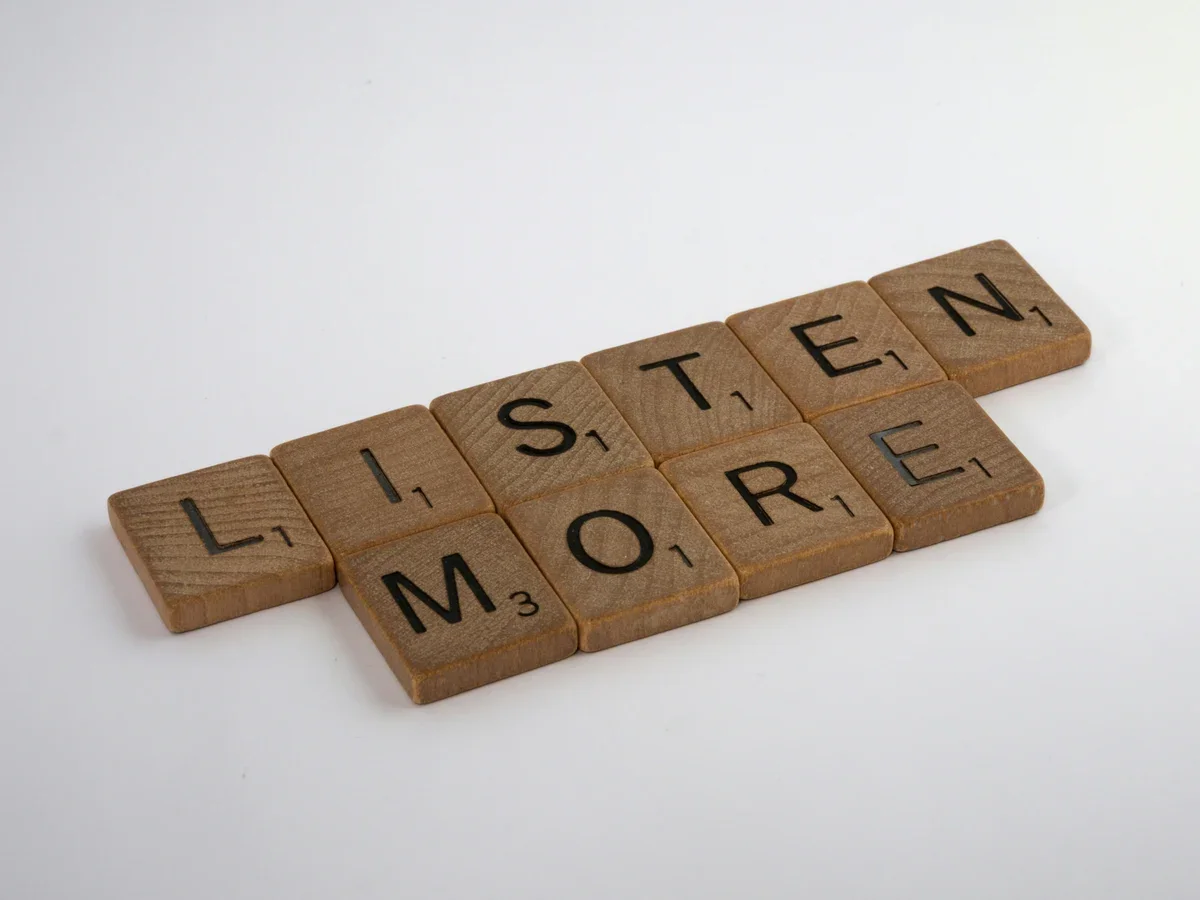
Image credit: Brett Jordan on Unsplash
How to disagree brilliantly
Disagreements can be tricky. Especially when the stakes are high, such as when discussing changes to your organisation, the processes you use or the way you do your work. Sometimes what starts as a disagreement can escalate into a damaging conflict. So it can be tempting to try and avoid disagreement altogether. But the answer is not to avoid disagreements, it’s to learn how to disagree brilliantly.
Difference is the default
You may not realise it, but you disagree with others all the time. When people discuss a particular topic, each of you will have a different perception of the subject. In fact you could say that difference is our default setting and in many ways it’s surprising we don’t disagree far more frequently than we do.
Shared documents don’t equal shared understanding
Maybe the problem is discussion itself? Not everybody is great at communicating verbally. And sometimes, particularly in a pressured environment, tempers can fray. In that case is it better to find another way to communicate? Perhaps you could carefully describe your position in writing. Many of us seem to believe that setting out our position in an email or even a text is much better - and less fraught - than thrashing things out in person.
When written communication goes wrong
Is that really true? Well, yes, sometimes, if you have the time to craft your message so carefully that all ambiguity is removed. But more often, that default ‘difference setting’ comes into play, and words that seem plain and clear to you carry a different meaning for someone else. Check out Cakewrecks for some great examples of how written communication can go badly wrong.
How to disagree brilliantly
OK, so we all disagree about everything and writing things down doesn’t work. What do we do? The first thing to appreciate is that disagreement isn’t bad. In fact it can be a positive force for good. Disagreement can fuel generation of better ideas and strategies. But listening is key. Working as a mediator, I’ve often found that many disagreements arise when people don’t take the time to really listen to each other.
Really listen
When you’re discussing a subject that you don’t agree on, is it possible to really listen to each other - without interrupting and without immediately trying to defend your position, or challenge what the other person has said? Can you listen to understand and ask questions that help you figure out how the other person arrived at their conclusion?
Why this works
The speaker will feel that they are truly being heard. The listener, because they’re not allowed to interrupt, will give some really high quality attention to the other point of view. As a listener, you’ll find that you better understand the real reason for the original disagreement. You’ll get a clearer picture of the facts, and be less affected by your feelings about the topic, or the person with whom you disagree. Even better, you may well find that you start to find a better solution to the problem than either of you previously thought of.
Conflict
As well as providing space for listening, this approach does a lot to take the ‘heat’ out of the issue. What escalates disagreements into conflict are feelings. It’s very easy to see disagreement as an affront, to get defensive or overly emphatic. We’re not saying feeling passionate about a topic is wrong, but it is helpful to remember that other people may disagree with your point of view for completely valid reasons.
What changes if you listen to someone you disagree with? Let us know.
Subscribe to our newsletter for more insights.
We share fortnightly insights to support you and your team as you make the changes you’re looking for. Fill in the form below.
Or even better, give Sarah a call.
She’s our Founder & CEO - and knows more about Change Management than anyone we know.
Tel: +44 (0) 7786 705043
Email: sarah@fairisleprojects.co.uk